Why Contractor Calls Go Unanswered, and How to Measure the Gap
Find the real reasons contractor calls go unanswered, measure your own coverage gap, and compare human and AI answering options honestly.
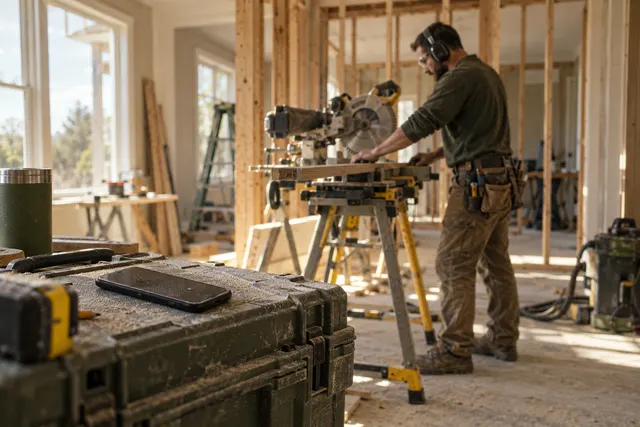
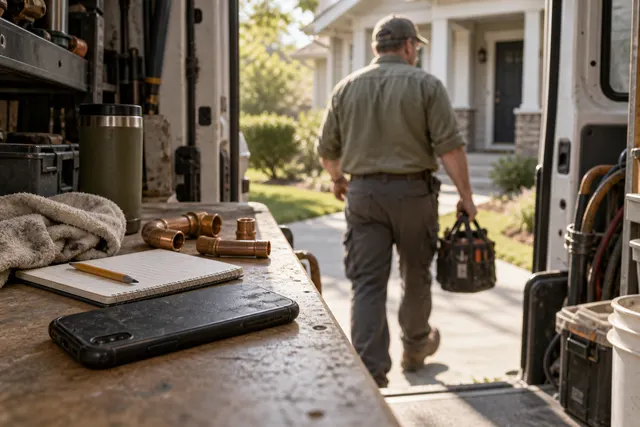
Contractor calls go unanswered because the person who knows the work is often doing the work. They are using tools, driving, speaking with an existing customer, inspecting a site, or away from the phone after business hours.
No single national missed-call percentage describes every contractor. Pull your own call log before deciding how much coverage to buy.
The common coverage gaps
Work that requires both hands and attention
Stopping electrical, plumbing, roofing, HVAC, or construction work to answer an unknown caller can be impractical or unsafe.
Driving and site movement
Calls arrive between jobs, during loading, and while navigating. A callback queue grows even when the day looks fully scheduled.
Existing calls and office work
One person cannot handle two live calls at once. Supplier, permit, customer, and crew coordination competes with new-business intake.
Evenings, weekends, and weather events
Customers may call outside staffed hours. The actual share varies; calculate it from call timestamps and the business's configured hours.
Unclear ownership
Some calls are technically answered but never become an owned booking or follow-up. Measure outcomes, not only pickup.
Audit the phone funnel
Track attempted calls, connected calls, new-business calls, qualified opportunities, valid bookings, follow-ups, completed jobs, and calls that required human judgment. Segment by time and source.
Use this planning formula:
missed qualified calls × observed close rate × completed-job contribution
Do not count spam, existing-customer service, or vendor calls as lost new revenue. Do not assume every handled call converts.
Model the opportunity with your own call volume, close rate, and job value.
Try the Missed Call CalculatorCompare the solutions
Internal staff
A person can exercise broad judgment and perform non-phone work. Include loaded payroll, actual shifts, breaks, and backup coverage.
Human answering service
Use current provider terms and price your own connected minutes or calls. Verify what is booked versus merely messaged.
Call forwarding
Forwarding preserves direct owner handling but does not create more attention or simultaneous capacity.
AI phone agent
An AI agent can follow documented intake, scheduling, and callback rules around the clock within provider and channel limits. It needs explicit safety boundaries, truthful provider state, and a human path for exceptions.
How NiceAgents fits
NiceAgents provides configured inbound intake, built-in scheduling, service-area checks, transcripts and summaries, leads, follow-ups, and transactional SMS after line approval. See the pricing page for current plans, included usage, overage rates and billing terms.
It does not launch with live human transfer, multilingual support, call-audio recordings, or direct field-service integrations. Google Calendar is not claimed until the real synchronization and recovery flow passes launch proof.
Bottom line
The missed-call problem is real when your own records show it. Measure where calls fail, choose coverage for those periods and call types, and judge the change by valid bookings and completed work rather than a vendor's average.
Configure your real contractor workflow and test the difficult calls before forwarding live traffic.
See NiceAgents for Contractors